
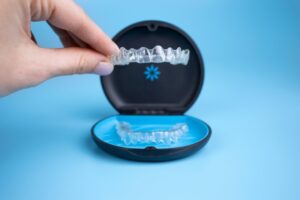
Choosing between Invisalign and traditional braces is a big decision when considering orthodontic treatment. Both options are effective for straightening teeth, but they work in different ways and suit different lifestyles and dental needs. Understanding the key differences can help you decide which option is right for you.
How Invisalign and Braces Work
Traditional braces use metal brackets and wires to gradually move teeth into proper alignment. They apply continuous pressure and are adjusted periodically by your orthodontist. Invisalign, on the other hand, uses a series of clear, removable aligners custom-made to fit your teeth. Each set of aligners is worn for about one to two weeks before switching to the next.
Appearance and Discretion
One of the biggest advantages of Invisalign is its discreet appearance. The clear aligners are nearly invisible, making them popular among adults and teens who prefer a subtle treatment option. Braces are more noticeable, although ceramic or clear brackets can make them less obvious. If aesthetics are a major concern, Invisalign may be the preferred choice.
Comfort and Convenience
Invisalign aligners are smooth and generally more comfortable than braces, which can irritate the cheeks and lips. Because Invisalign is removable, you can take the aligners out to eat, brush, and floss, making oral hygiene easier. Braces stay in place at all times, which means avoiding certain foods and being extra careful when cleaning around brackets and wires.
Effectiveness and Treatment Complexity
Both Invisalign and braces can deliver excellent results, but the complexity of your orthodontic issues matters. Braces are often recommended for more severe misalignment, bite issues, or significant tooth rotation. Invisalign works well for mild to moderate cases and, with advances in technology, can now treat many more complex issues than in the past. Your orthodontist can determine which option is best based on your specific needs.
Responsibility and Compliance
Invisalign requires discipline. Aligners must be worn 20 to 22 hours a day to be effective. Forgetting to wear them or removing them too often can delay results. Braces don’t rely on patient compliance in the same way, making them a good option for children or teens who may struggle with consistent wear.
Cost and Treatment Time
The cost of Invisalign and braces is often comparable, though it can vary depending on treatment length and complexity. Treatment time is similar for both options, typically ranging from 12 to 24 months.
Invisalign and braces are both effective paths to a straighter smile. The right choice depends on your dental needs, lifestyle, and personal preferences. A consultation with an orthodontist is the best way to determine which treatment will give you the healthiest, most confident smile.
About the Author
Dr. Javier Perez has nearly 25 years of experience in the dental field. He is a 2011 graduate of the UCLA School of Dentistry and also currently serves in the U.S. Army National Guard with a rank of Major and has done so since 2013. Dr. Perez never tires of seeing the transformations that come over his patients after receiving treatment. If you’d like a straighter and healthier smile, we can help with Invisalign. Schedule an appointment online or call our Tyler office at (903) 534-8110.