
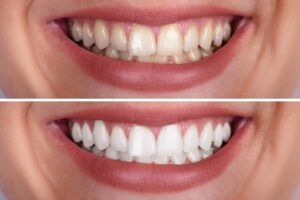
A bright, white smile is something many people desire, which has led to a surge in do-it-yourself (DIY) teeth whitening methods found online and on social media. From charcoal powders to homemade whitening pastes, these trends often promise fast and inexpensive results. However, many DIY whitening methods can be harmful to your teeth and gums. Understanding the risks can help you make safer choices when it comes to improving your smile.
1. Damage to Tooth Enamel
One of the biggest dangers of DIY teeth whitening is enamel damage. Tooth enamel is the hard outer layer that protects teeth from decay and sensitivity. Some home remedies, such as using baking soda excessively or brushing with abrasive charcoal products, can wear down enamel over time.
Once enamel is damaged, it cannot grow back. Enamel erosion can lead to increased tooth sensitivity, discoloration, and a higher risk of cavities. Professional whitening treatments are designed to safely remove stains while protecting the enamel.
2. Gum Irritation and Burns
Many DIY whitening methods involve applying substances that are not meant for oral use. Ingredients such as hydrogen peroxide in improper concentrations, lemon juice, or other acidic solutions can irritate or burn gum tissue. Acidic substances can also weaken enamel, making teeth more vulnerable to damage.
Professional whitening treatments use carefully controlled formulas that minimize irritation and are applied in a way that protects the gums and surrounding tissues.
3. Uneven or Unpredictable Results
DIY whitening methods often produce uneven or inconsistent results. Over-the-counter or homemade treatments are not customized to your specific dental needs, which can lead to patchy whitening or excessive lightening in certain areas.
Additionally, DIY treatments cannot whiten dental restorations such as crowns, veneers, or bonding. This can cause noticeable color differences between natural teeth and dental work. A dental professional can evaluate your smile and recommend the most effective and uniform whitening approach.
4. Delaying Treatment for Underlying Dental Problems
Tooth discoloration can sometimes be a sign of underlying dental issues, such as cavities, infections, or worn enamel. Relying on DIY whitening methods may temporarily mask these problems rather than treating them. Ignoring underlying dental concerns can allow them to worsen, potentially leading to more extensive and costly treatment later.
A dentist can identify the cause of discoloration and ensure whitening treatments are safe and appropriate for your oral health.
While DIY teeth whitening may seem convenient, it often comes with unnecessary risks. Professional whitening treatments are designed to deliver safe, predictable, and long-lasting results. Consulting your dentist before whitening your teeth can help protect your oral health and ensure you achieve a brighter smile without compromising the strength and health of your teeth.
About the Author
Dr. Javier Perez has nearly 25 years of experience in the dental field. He has degrees from both the University of Medicine at Cuba and UCLA. He currently serves in the U.S. Army National Guard with a rank of Major and has done so since 2013. If you’d like a glow-up for your smile, we have a solution with teeth whitening! Contact us online for an appointment or call (903) 534-8110.